Heart Rate Training vs Pace Training: Which Is Better?
Two runners can be side by side, running at the same pace, breathing at the same rhythm, yet training very differently.
One is glued to their heart rate. The other is locked onto pace. Both think they’re doing it “right”. Only one might be.
The real question isn’t which method is best in theory. It’s which one works best for you, right now.

What heart rate training is actually measuring
Heart rate training is based on internal effort. Instead of asking how fast you’re moving, it asks how hard your body is working to maintain that effort.
Your heart rate reflects stress on the cardiovascular system, influenced by fitness, fatigue, heat, hydration, sleep, and even emotional state.
That’s why heart rate training is often seen as more “honest”. You can’t fake it. If you’re tired, your heart rate shows it.
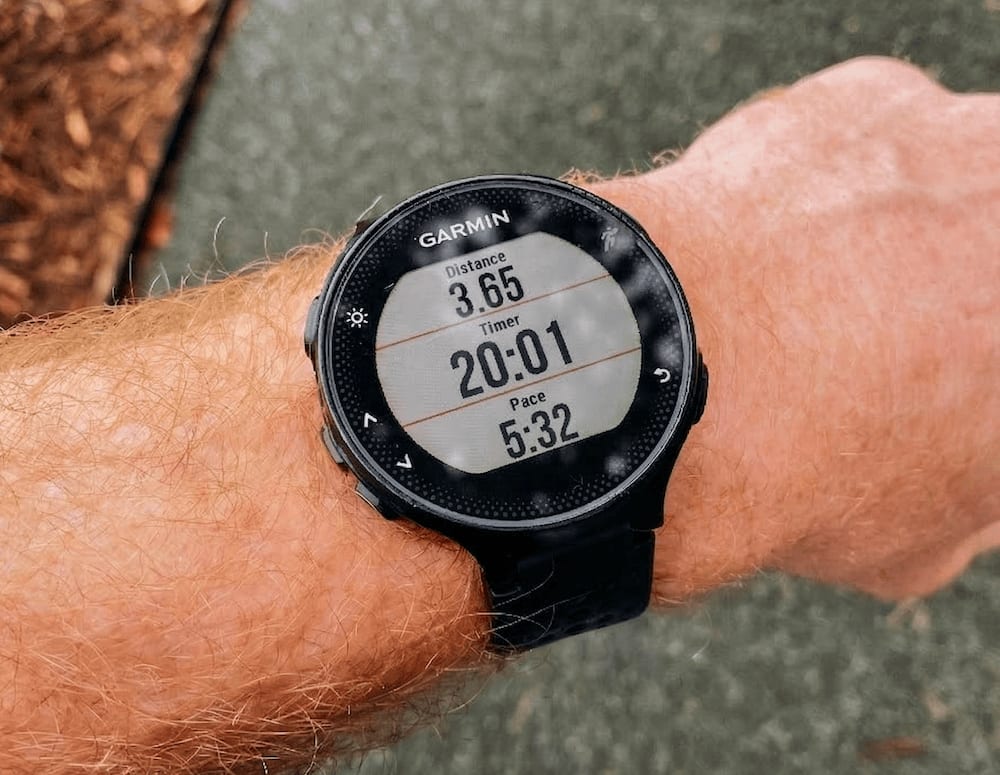
Most runners use zones, often calculated from maximum heart rate or lactate threshold. These zones are commonly tracked using watches from brands like Garmin or chest straps such as Polar.
When used well, heart rate training excels at controlling easy runs and preventing overtraining.

What pace training is really about
Pace training flips the perspective. Instead of asking how hard the run feels internally, it focuses on external output.
Pace answers questions like:
- Can I hold this speed for this distance?
- Is this sustainable under race conditions?
- How evenly am I distributing effort?
This makes pace especially valuable for race preparation. Races care about time, not heart rate.
Pace training also has one major advantage: it’s predictable. A target pace doesn’t drift the way heart rate can on a hot day or after poor sleep.
Tools like the Pace Calculator help runners set realistic pace targets based on recent performances.
Where heart rate training works best
Heart rate training shines when the goal is control.
It is particularly effective for:
- Easy and recovery runs
- Base-building phases
- New or returning runners
- Managing fatigue across busy weeks
Many runners accidentally run easy days too hard. Heart rate training acts as a brake, keeping effort truly easy even when legs feel fresh.
It’s also useful during hot, windy, or hilly conditions, where pace alone can encourage overreaching.

Where pace training has the edge
Pace training becomes increasingly valuable as goals get more specific.
It works best for:
- Race-pace sessions
- Tempo and threshold workouts
- Learning even pacing
- Confidence building before race day
If you’re training for a specific time goal, pace gives direct feedback. You learn what the effort feels like and how long you can sustain it.
This is especially important for distances like the 10K and half marathon, where pacing errors are costly.
The problems runners run into with both methods
Neither approach is foolproof.
Heart rate training can lag behind effort during short intervals, making it unreliable for faster sessions. It can also drift upward during long runs, tempting runners to slow excessively.
Pace training, on the other hand, ignores how your body feels. On tired days, forcing pace often leads to digging holes that take days to recover from.
Problems usually come from using one method exclusively, rather than intelligently.

The smarter approach: using both together
For most runners, the best answer isn’t heart rate or pace.
It’s heart rate and pace, used at different times.
- Use heart rate to cap effort on easy and long runs
- Use pace to guide workouts and race preparation
- Use feel as a final sense check for both
This blended approach reduces injury risk while still preparing you for real-world racing.
If you want this balance built in automatically, the Running Plan Generator assigns workouts with appropriate effort guidance based on your goals and availability.
Frequently asked questions
Is heart rate training better for beginners?
Yes. It helps new runners avoid the common trap of running every session too hard.
Should I ignore heart rate on race day?
Mostly. Race day is about execution. Heart rate is useful context but not a pacing tool in the moment.
What if my heart rate zones feel wrong?
They often are. Generic formulas can be inaccurate. Use trends over time rather than obsessing over exact numbers.
Can I train without heart rate data at all?
Absolutely. Many successful runners train purely by pace and perceived effort.
Choose the method that fits the session
Heart rate keeps you honest. Pace keeps you specific.
Use each where it makes sense, rather than committing to one out of loyalty.
Want your training balanced automatically? Generate a personalised running plan
Disclosure: Some links on this website are Amazon affiliate links. As an Amazon Associate, we earn from qualifying purchases.