The Importance of Protein Intake for Runners
When most runners think about fuelling, carbohydrates usually take centre stage. But protein plays an equally crucial role. Whether you’re training for a marathon, focusing on speedwork, or simply running to stay healthy, your body needs protein to recover, adapt, and get stronger. Understanding why protein intake matters, and how much you need, helps you get the best results from your training.
Why Protein Matters for Runners
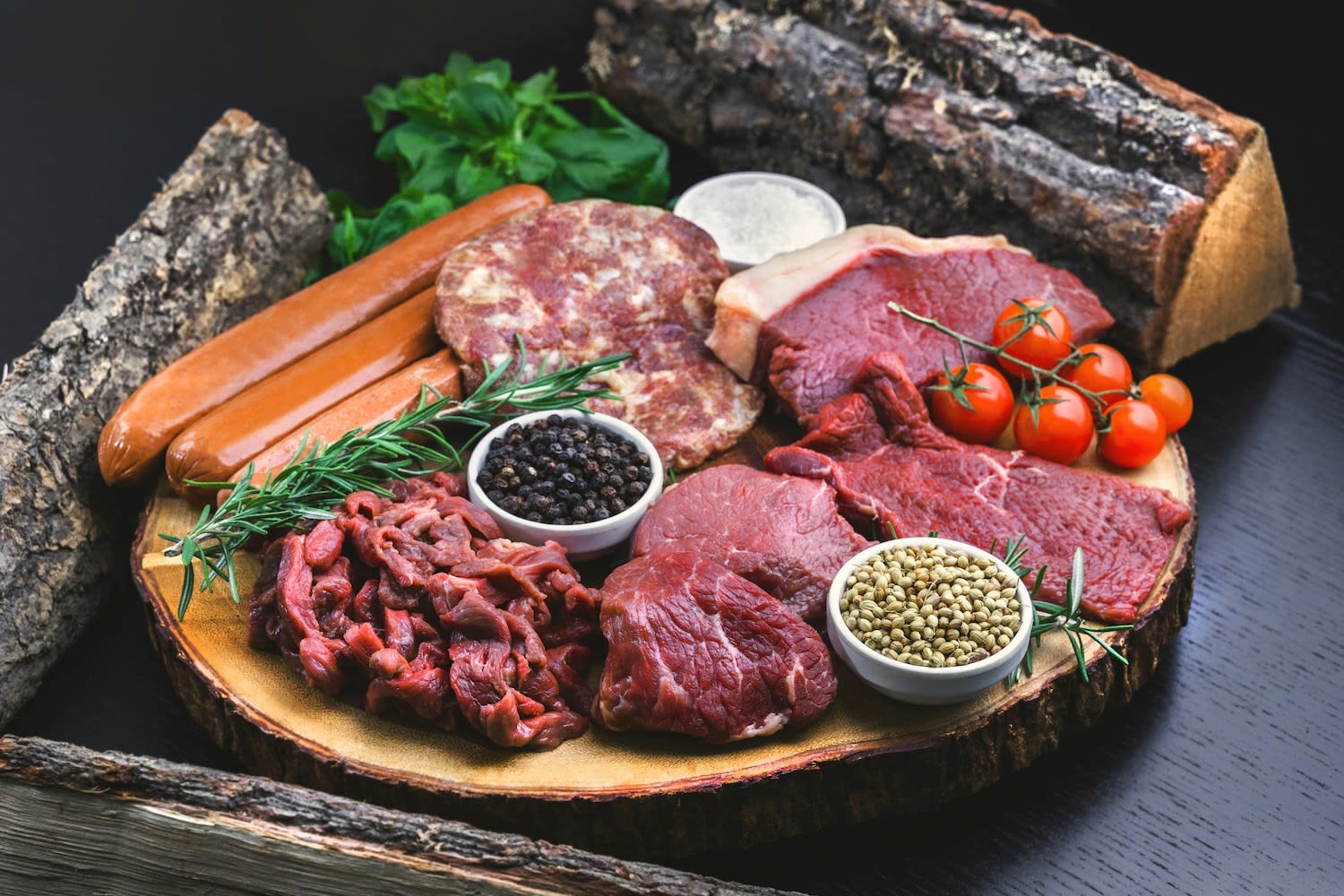
Running is a repetitive, high-impact activity that places stress on your muscles, joints, and connective tissues. Protein provides the amino acids required to repair and rebuild muscle tissue after each run. Without sufficient protein, recovery slows, soreness lingers, and performance gains plateau.
Protein also supports other key functions. It contributes to hormone production, immune health, and the maintenance of lean body mass – all essential for keeping you strong across long training blocks.
How Protein Supports Training and Recovery
Muscle Repair and Adaptation
Every time you run, microscopic damage occurs in your muscles. This isn’t harmful – it’s part of the adaptation process that makes you fitter. Protein supplies the building blocks your body uses to repair that damage, allowing your muscles to rebuild stronger than before. Adequate intake ensures this process happens efficiently.
Reduced Injury Risk
Insufficient protein can leave your muscles weaker and slower to recover, increasing the likelihood of overuse injuries. By meeting your protein needs, you help your body adapt to training stress and reduce the risk of niggles becoming setbacks. Our long run FAQ explains why recovery strategies, including protein intake, are vital when mileage increases.
Immune Function and Overall Health
Protein supports the production of enzymes and antibodies that keep your immune system resilient. During intense training cycles, when your body is under extra stress, protein becomes even more important for staying healthy and avoiding illness.
How Much Protein Do Runners Need?
General health guidelines suggest around 0.8 g of protein per kilogram of body weight. But for runners, this figure is too low. Endurance athletes typically need between 1.2–2.0 g per kilogram per day depending on training intensity and goals. For example:
- Light training (3 days a week): 1.2–1.4 g/kg
- Moderate training (4–5 days): 1.4–1.6 g/kg
- Heavy training (daily or double sessions): 1.6–2.0 g/kg
Rather than guessing, you can use our Protein Intake Calculator to get personalised recommendations based on your body weight and training load.
Timing Protein Intake
When you eat protein is almost as important as how much you eat. Your body absorbs and uses it best when intake is spread across the day, not crammed into one meal. Aim for 20–30 g of protein at each meal, with smaller top-ups in snacks. After long or intense runs, include a protein-rich food within 30–60 minutes to kick-start muscle repair.

Best Protein Sources for Runners
You don’t need fancy supplements to meet your protein requirements. Whole foods work just as well. Examples include:
- Animal sources: chicken, turkey, fish, eggs, dairy
- Plant sources: lentils, beans, chickpeas, tofu, quinoa, nuts
Plant-based runners should aim to combine different sources to ensure they’re getting all essential amino acids. For convenience, protein powders can help, but they’re not mandatory.
Balancing Protein with Other Macros
Protein doesn’t exist in isolation. Your diet should balance protein with carbohydrates for energy and fats for long-term fuel. You can learn more in our article on macronutrients, which explains how carbs, protein, and fats all work together. Runners who focus only on protein risk neglecting the carbohydrate stores they need for pace and endurance.
Practical Protein Strategies for Runners
Here are some ways to make protein intake work for your training:
- Add Greek yoghurt or eggs to breakfast to set up your day.
- Include lean protein like chicken or beans in lunch and dinner.
- Use nuts, hummus, or protein shakes as post-run snacks.
- Keep recovery meals balanced – pair protein with carbs and healthy fats.
This approach ensures your muscles get the amino acids they need consistently, which improves recovery and supports long-term training progression.
FAQs on Protein Intake for Runners
Do I need protein powder?
No, whole food sources are enough. Protein powder is convenient when you’re busy, but it isn’t essential for recovery or performance.
What happens if I don’t eat enough protein?
You may experience slower recovery, increased soreness, and a higher risk of injury. Over time, low protein can also lead to muscle loss.
Can I eat too much protein?
Excess protein doesn’t provide extra benefits for performance and may displace carbohydrates, which are critical for energy. Stick within the recommended ranges for your body weight and training load.
Next Steps
Protein is more than just a strength athlete’s nutrient – it’s central to running performance and recovery too. By getting your intake right, you’ll support stronger muscles, quicker recovery, and more consistent training. Use our Protein Intake Calculator to determine your daily target and explore our other tools like the Pace Calculator and Running Plan Generator to bring your nutrition and training into alignment.
Disclosure: Some links on this website are Amazon affiliate links. As an Amazon Associate, we earn from qualifying purchases.